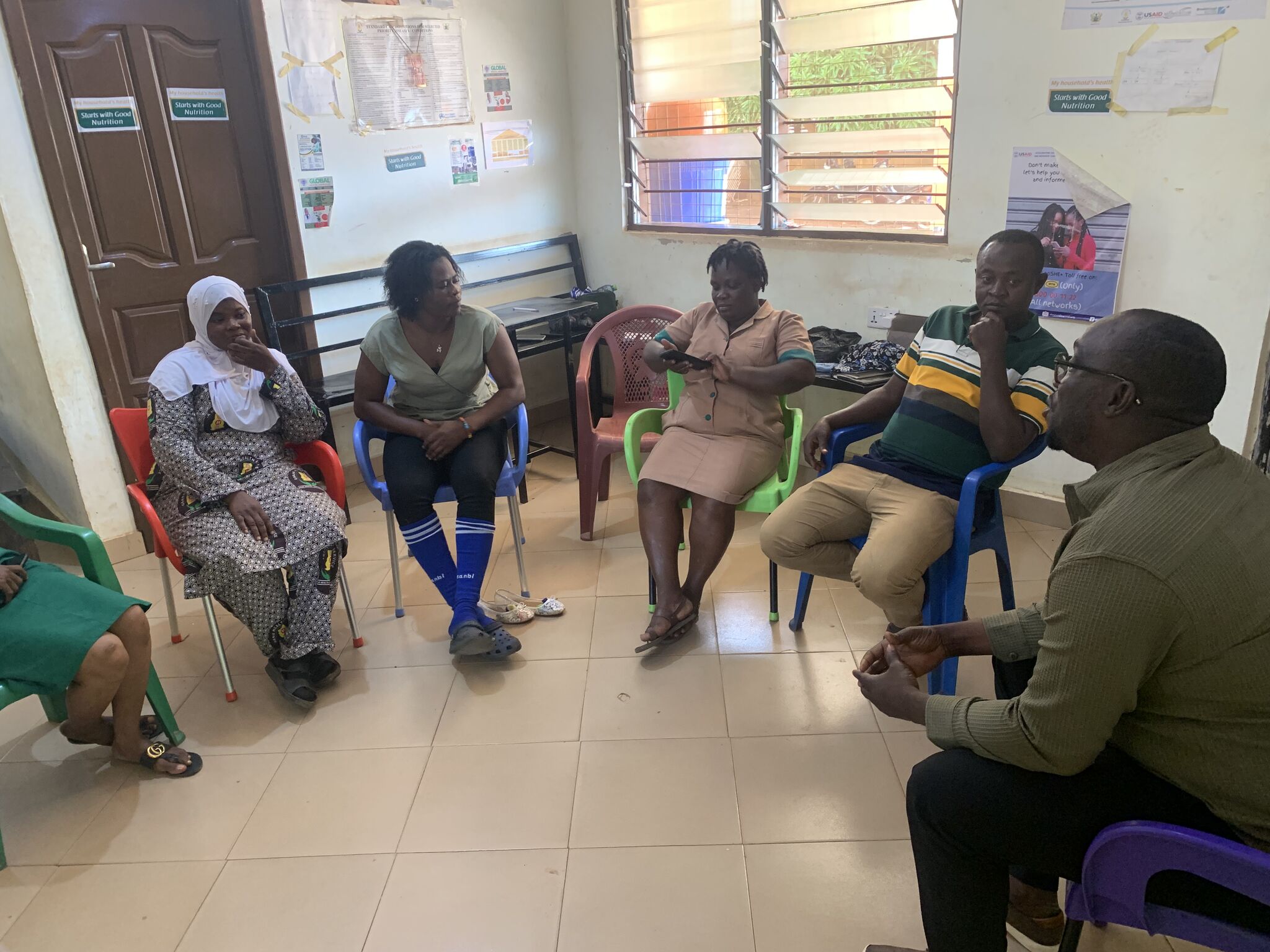
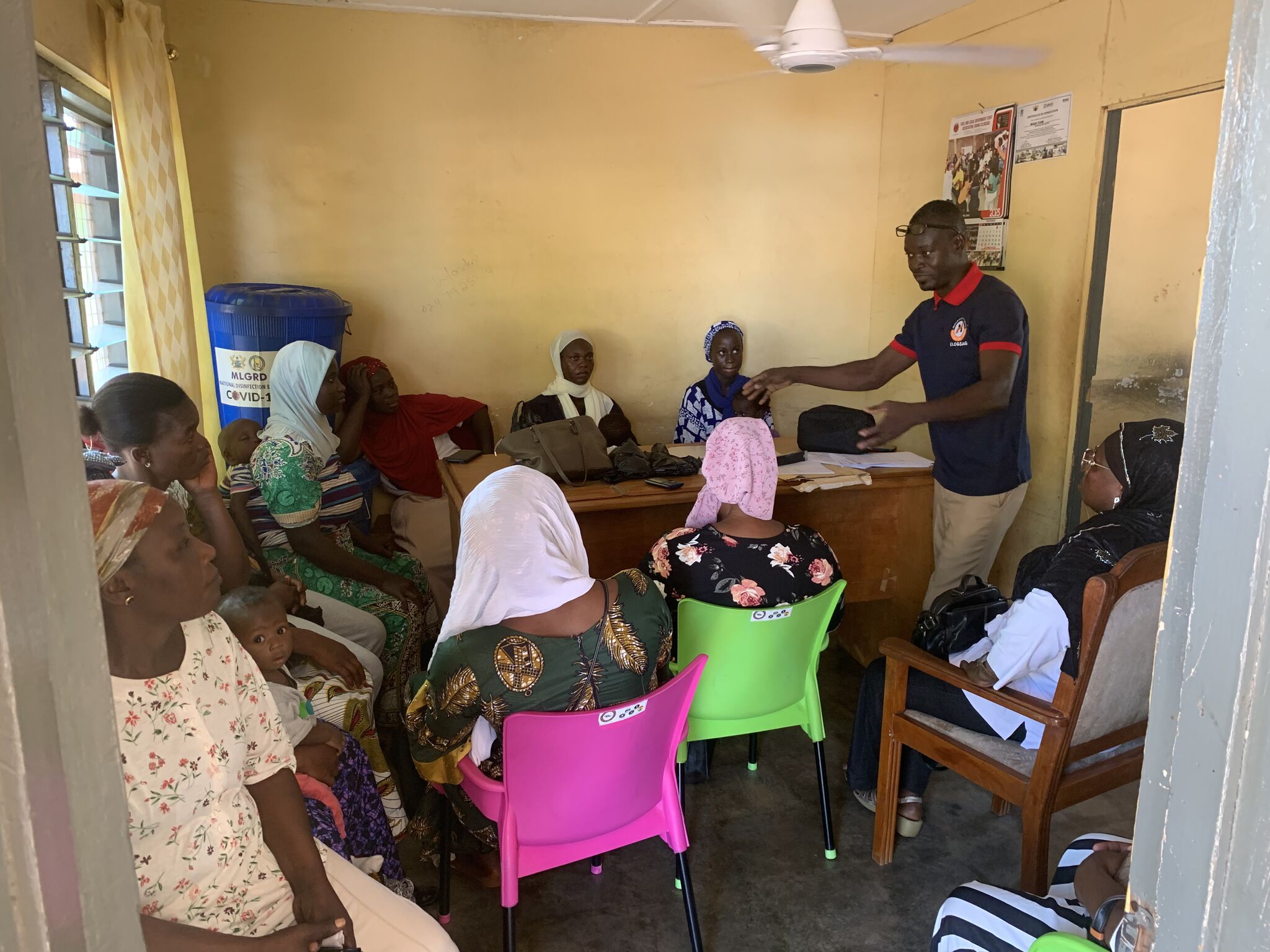
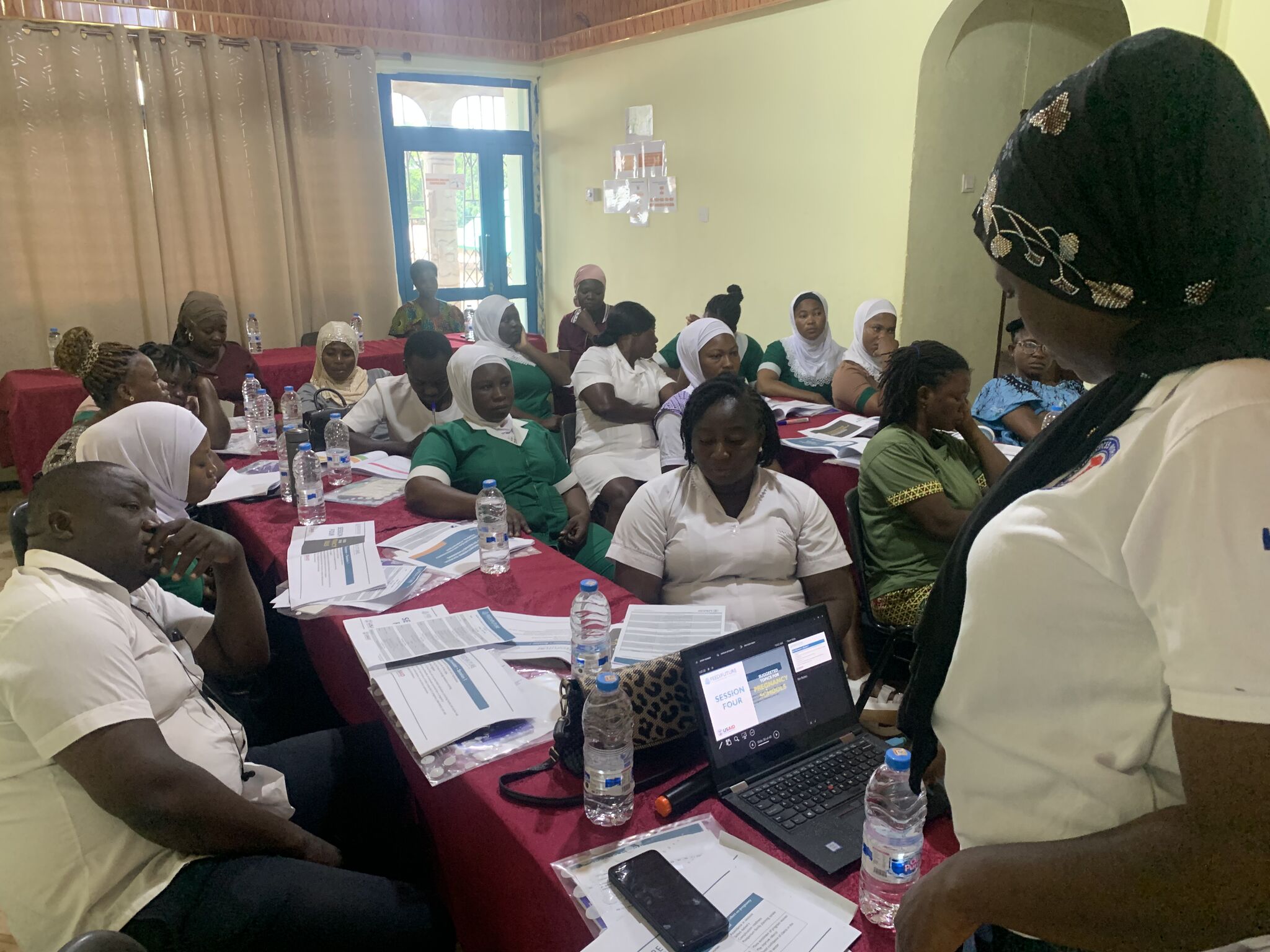
We look at a wholistic approach in sensitizing, educating, campaigning, creating demand and improving access to maternal and child health and nutrition services, Sexual Reproductive Health and Family Planning services, Neglected Tropical Diseases (NTDs) and Regenerative Health in communities and schools, CHPS zones, Districts, Regions and the Nation at large. All this contributing to the achievement of SDG 3, Good Health and Well-being.
Sustainable Livelihood Development
The main aim of our livelihood development programs is to break the cycle of poverty through the implementation of Village Savings and Loans Associations/Youth Savings and Loans Associations and facilitation of the training and creation of modern Demand driven skills and Market driven enterprises in both rural and urban communities. It also includes monetization, marketing and creating demand for the skills, arts, hobbies, products and services of people especially women. We stem on VSLAs concept and principles as our baseline for livelihood development, were members gain access to savings and loans as credit for their businesses, enterprises and skills development and marketing. This key intervention contributes in attaining SDG – 1, 8, 9 and 11.
Agricultural Support Services
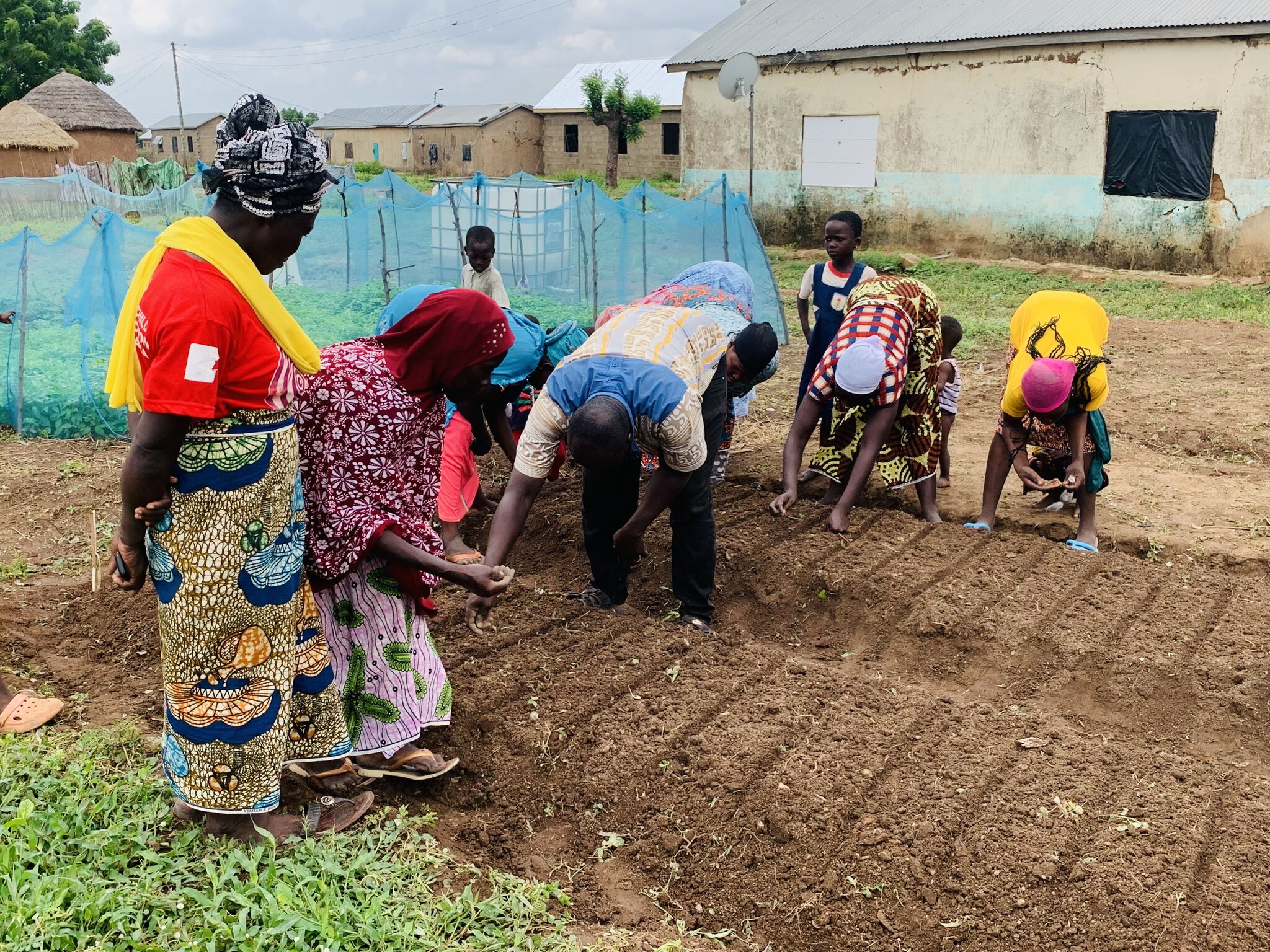
We adopt climate smart and conservative agricultural practices, with no or minimal land usage in the production of highly nutritious and economically valued crops to serve both domestic purposes and alternatively as a source of livelihood through enterprising of agricultural products. This includes home gardening, irrigation farming, animal rearing, fish farming, bee-keeping, mushroom farming etc. all targeted towards achieving Zero Hunger – SDG 2 and food security.
WASH
With this key intervention, three (3) thematic areas come to play – (1) adoption of Community-Led Total Sanitation (CLTS) principles and methodology in facilitating communities to become sanitized in a sustained manner, (2) Improving household access and safety storage of potable drinking water all year round and (3) waste management and recycling at the household, community, district, region and national levels. All this contributing to the achievement of SDG 6 – Clean Water and Sanitation and SDG 12 – Responsible Consumption and Production.
Climate Change
Combat desertification and promote afforestation through planting of trees (especially fruity trees), fighting and campaigning against bush fires, Protect and enhance remnant vegetations, promoting and facilitation of access to affordable, reliable, sustainable and modern energy (clean energy, and renewable energy) for all for all communities. These actions are in line with SDG 7- Affordable and clean energy, SGD 13 – Climate actions and SDG 15 – Life on land.
Open Hours of Office: Mon - Fri: 8.00 am. - 6.00 pm.